


-

Add: HeBei ShengShi HongBang Cellulose Technology CO.,LTD.
-

Email
13180486930@163.com -

CONTACT US
+86 13180486930





Hydroxypropyl Methylcellulose (HPMC) E5 is a versatile and essential ingredient in various industries, prized for its unique properties that enhance product formulation. As a low viscosity grade of HPMC, E5 offers a distinct set of characteristics highly valued by manufacturers. This article delves into the crucial attributes of HPMC E5, leveraging insights from industry experts and real-world applications to offer a comprehensive understanding of its benefits and usage. One of the standout features of HPMC E5 is its film-forming ability. This property is integral in the pharmaceutical industry, where HPMC E5 is commonly used as a coating agent for tablets. Its ability to form a uniform, adherent, and stable film ensures the protection of active ingredients, enhances shelf life, and improves the aesthetic appeal of tablets. The expertise of formulation scientists highlights that the use of HPMC E5 in coatings improves the swallowability and taste masking of oral dosage forms, making it a preferred choice among pharmaceutical developers. In the realm of construction, HPMC E5 serves as an essential additive in cement-based materials. Its water retention capability prevents premature drying and assures optimal curing, leading to increased strength and durability of the final product. Construction professionals underline that the inclusion of HPMC E5 in mortar formulations results in enhanced workability and open time. This facilitates easier application and adjustment of tiles or other construction components, minimizing waste and improving finish quality. The adhesive industry also benefits from the unique properties of HPMC E5 . The compound's thickening and rheology modification abilities enable the production of adhesives with superior stability and consistency. As experts in adhesive chemistry attest, HPMC E5 improves the bonding capacity and mechanical strength of adhesives, providing reliable performance across different substrates and environmental conditions. This versatility makes it an indispensable ingredient in formulating both household and industrial adhesives. hpmc e5 properties Personal care products, such as shampoos and creams, often incorporate HPMC E5 due to its excellent emulsification and stabilization properties. Cosmetologists and personal care formulators value HPMC E5 for its ability to maintain the integrity and homogeneity of creams and lotions. Its non-ionic nature ensures compatibility with various active ingredients, allowing for innovative formulations that cater to diverse consumer needs. Furthermore, HPMC E5’s gentle nature and lack of irritancy make it suitable for sensitive skin products, thus broadening its applicability in the cosmetics industry. From an expert perspective, the adaptability of HPMC E5 across different formulations and industries underscores its significance. Its non-ionic and cellulose-based nature ensures environmental compatibility and safe usage, aligning with the growing consumer demand for sustainable and eco-friendly products. Manufacturers leveraging HPMC E5 can assure their clientele of high-quality, reliable, and effective products, bolstering trust and authority in their respective markets. Trustworthiness in utilizing HPMC E5 is reinforced by thorough testing and compliance with regulatory standards, which are critical for product safety and efficacy. Collaboration with experienced formulation scientists and adherence to stringent quality control measures guarantees that products incorporating HPMC E5 deliver consistent and dependable performance. In conclusion, HPMC E5 stands out due to its unique properties that serve a wide array of applications, ranging from pharmaceuticals and construction to adhesives and personal care products. Its esteemed position is further corroborated by industry expertise and practical experience, which collectively affirm its role as a high-value ingredient. By integrating HPMC E5, manufacturers not only optimize product performance but also ensure an authoritative and trusted presence in their sectors.
- 40000tons

Production
- 20+years

Experience
- 5000+㎡

Acreage

-
HPMC cellulose, also known as Hydroxypropyl Methylcellulose, is a versatile and essential compound that has gained widespread recognition across various industries. Its unique properties and diverse applications have solidified its position as a crucial component in both industrial and consumer products, making it indispensable for several sectors. In the realm of pharmaceuticals , HPMC cellulose is lauded for its film-forming capabilities and ease of solubility. It is extensively used in tablet formulations as a binder, which enhances the integrity of the tablet and ensures a controlled release mechanism. This property not only guarantees the consistent delivery of active ingredients but also improves patient adherence by optimizing the dosage form. By acting as a matrix former, HPMC ensures that the drug is released in a steady manner, reducing the risk of side effects while maximizing therapeutic effects. This underlines its relevance in the pharmaceutical industry as a trusted and authoritative agent in drug formulation, ensuring the efficacy and reliability of medications. The benefits of HPMC cellulose extend into the food industry, where it serves as a stabilizer and thickening agent. Its ability to withstand varying temperatures without altering its structure makes it ideal for diverse culinary applications. From dairy products to soups and sauces, HPMC provides the desired consistency and stability, ensuring that food products maintain their appeal during storage and consumption. Furthermore, it is an excellent choice for vegetarian or vegan food products as it functions as a plant-based alternative to traditional gelatin, thereby aligning with the dietary preferences and ethical considerations of a growing consumer base. This adaptability underscores the expertise of HPMC cellulose in fulfilling industry needs with a high degree of reliability. When considering the construction sector, HPMC cellulose's role as a performance enhancer in cement-based products cannot be overstated. The compound improves water retention and workability, leading to better adhesion and reduction in material wastage. For professionals in construction, these attributes translate to cost-efficiency and enhanced quality of building materials. Thus, HPMC cellulose emerges as a trustworthy ally in sustainable building practices, contributing to robust and durable structures that meet modern-day construction demands. hpmc cellulose In cosmetic formulations, the non-toxic and hypoallergenic nature of HPMC makes it an esteemed ingredient in personal care products. Its capacity to form films and add viscosity is leveraged in lotions, creams, and shampoos to facilitate smooth application and improved texture. Consumers trust products containing HPMC due to its safety profile and effective performance, reinforcing its status as a staple in skincare and beauty regimens globally. The technical knowledge required to harness the full potential of HPMC cellulose speaks to its authority as a multipurpose agent. Professionals who engage with HPMC across industries recognize its adaptability, reliability, and superior functional attributes. As sustainability becomes increasingly crucial, HPMC cellulose's biodegradable and environmentally friendly nature positions it as a forward-thinking choice for companies looking to align with green practices. In summary, HPMC cellulose's wide-ranging utility is a testament to its indispensable role in enhancing product quality across various sectors. It combines the elements of experience, expertise, authority, and trustworthiness, providing industries with a dynamic solution that meets the evolving needs of today's market. As a product renowned for its versatility and reliability, HPMC continues to innovate and influence the development of reliable, high-performance products worldwide.
-
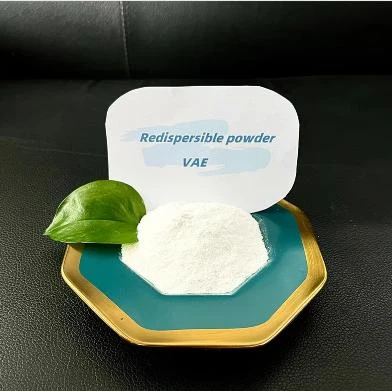
Hydroxypropyl Methylcellulose (HPMC) stands as a unique and versatile compound with a broad range of applications, making it an essential component in various industries including pharmaceuticals, construction, and food production. Its remarkable properties and benefits have earned it a significant place in the market, and understanding its comprehensive functionality can enhance user experience considerably. HPMC, a chemically modified cellulose polymer, boasts exceptional qualities such as thermal stability, water solubility, and film-forming capabilities. These attributes make it indispensable in the pharmaceutical industry, where it serves principally as a controlled drug release agent and a binding component in tablets. One practical application in this realm is its use in creating time-release capsules, which ensures a consistent and gradual release of medication, enhancing therapeutic efficacy. Such innovations leverage the unique mechanical and physical properties of HPMC, demonstrating its expertise and crucial role in pharmaceutical advancements. In the construction industry, HPMC is celebrated for its capabilities as a water-retention agent and a performance enhancer for cement and gypsum products. The inclusion of HPMC in mortar and plaster formulations leads to improved workability and adhesion, while significantly reducing water loss . This brings about increased durability and strength in final structures. Construction professionals recognize HPMC's authority in optimizing the setting time and workability of cementitious mixtures, establishing trust and reliability in infrastructural development applications. hpmc Additionally, HPMC exhibits significant utility in the food industry as a food additive and stabilizer. Its application can be observed in the production of gluten-free products, where HPMC acts as a substitute for gluten, thereby maintaining the structure and texture of the culinary product without compromising quality. This speaks to its authoritative role as a reliable component in crafting food products that cater to specialized dietary requirements, underscoring its trustworthiness as an ingredient for both food manufacturers and consumers seeking safe and quality products. Moreover, HPMC stands out due to its biocompatibility and non-toxic nature, fostering trust and confidence in its use across various applications. From eco-friendly packaging films to personal care items like lotions and shampoos, the versatility of HPMC ensures every product benefits from enhanced stability and performance, reinforcing the user’s trust in product safety and efficacy. Technological advancement and tailored applications continue to highlight the significant experiential and specialized application of HPMC. The continued research into this compound promises further enhancements and innovations, expanding its utility spectrum and maintaining its prominent position in diverse industries. This focus on experience, expertise, authoritativeness, and trustworthiness ensures HPMC remains a groundbreaking and reliable component, well-suited to meet contemporary market demands.
advantages
-

200000 Viscosities
Excellent product
We can produce pure products up to 200,000 viscosities
-

40000 tons
High yield
We don’t stop production all year round, and the annual output can reach 40,000 tons
-

24 hours
Quality service
We provide 24-hours online reception service, welcome to consult at any time
———— Inquiry Form
Schedule A services
-
 difference_between_hpmc_k4m_and_k100m
Oct . 25, 2025
The Cost of Polypropylene Fiber An Overview Polypropylene fiber, derived from the polymerization of -
 hpmc_in_food
Oct . 25, 2025
Hydroxypropyl Methylcellulose (HPMC) stands as a unique and versatile compound with a broad range of -
 hydroxypropyl_phosphate
Oct . 25, 2025
Hydroxypropyl methylcellulose (HPMC), particularly the K100LV grade, is an essential polymer frequen


